Martin Malý — 17.04.2026
Reliable company with good communication and solid service.


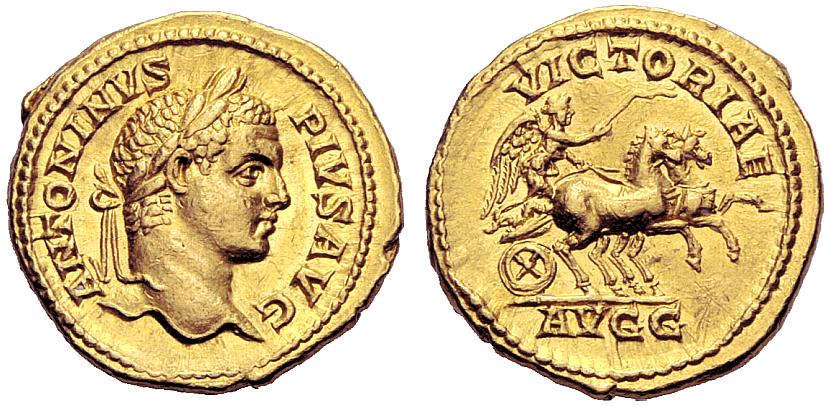
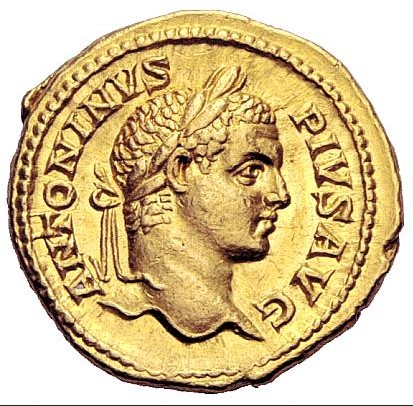
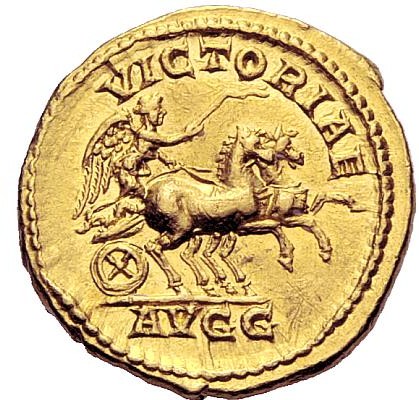
This numismatic rarity represents one of the scarcest gold issues of the Severan dynasty. It is not merely a coin in exceptional condition, but the specific catalog specimen that defines its type in specialized literature.
Ruler: Caracalla (reigned 198–217 AD)
Minting Period: As Augustus, Rome, approx. 206–210 AD
Denomination: Aureus
Weight: 7.28 g
Obverse (Av.): ANTONINVS PIVS AVG – Laureate head right.
Reverse (Rv.): VICTORIAE / AVGG (in exergue) – Victory in a biga (two-horse chariot) galloping right.
Grade: Almost Extremely Fine (EF), minor scratches.
References: RIC 170 (Rarity R2), Calicó 2829 (Rarity R2).
The fundamental value factor of this piece is its extreme market rarity. Based on an analysis of auction results and numismatic databases, this is the only traceable specimen:
It is the only verifiable coin of this type to have been publicly auctioned and recorded in archives over approximately the last 25 years.
While more common aurei of Caracalla appear regularly on the market, this specific type with the Victoriae Avgg in biga reverse remains unattainable for the vast majority of collectors. The absence of any other occurrence in modern auction history makes this coin a "once-in-a-generation" opportunity.
The coin boasts a prestigious pedigree and is a firm part of numismatic history:
Published: This specific piece is illustrated in the most respected industry "bible": Xavier Calicó, The Roman Aurei (2003), No. 2829.
Auction History: Ex NAC 24 (2002), lot 148. Ex H. D. Rauch 90 (2012), lot 587.
Owning a coin that served as the reference for cataloging an entire type in literature (a so-called plate coin) is the highest achievable level of collecting. Combined with the fact that it is the only available specimen in a quarter-century, this coin holds extraordinary potential.
Emperor Caracalla (born Marcus Aurelius Severus Antoninus) is one of the most controversial and fascinating figures in Roman history. His life was defined by cruelty, military glory, and deep-seated complexes. He was literally obsessed with Alexander the Great, imitating his dress and posture, and even forming a 16,000-man phalanx armed in the Macedonian fashion.
The Biga is a light, two-wheeled chariot pulled by two horses, embodying speed, agility, and prestige in antiquity. It was favored as:
A Symbol of Victory: Often depicted with the goddess Victoria to symbolize triumph and divine favor.
An Adrenaline Sport: The centerpiece of chariot racing, the most popular entertainment of the Roman people.
Military Glory: Used in triumphal processions to demonstrate the power of a victorious general.
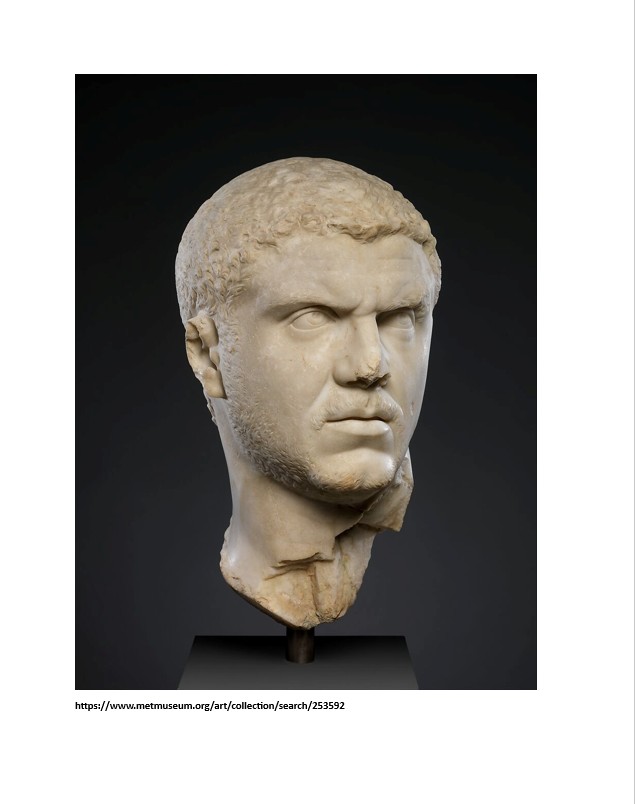
On this coin, the dynamic depiction underscores the energy and unstoppable force of Caracalla’s reign. Caracalla chose the "soldier’s realism": note the furrowed brow and intense gaze—an expression intended to command respect and fear, symbolizing the vigilance of a ruler ready to strike against the enemies of the Empire.
If interested, please contact us at
info@numfil.com
Доверие, конфиденциальность и индивидуальный подход — залог успеха любой инвестиции в предметы коллекционирования.
Reliable company with good communication and solid service.
The long-standing tradition is evident at every step. The individual approach and deep market knowledge are a great advantage. I definitely recommend it.
I greatly appreciate the personal approach and the willingness to explain everything in detail. The services are of a high standard and reflect many years of experience. Mr. Petr Kovaljov was very professional.
Very high-quality consulting and an individual approach. Thanks to their experience, I was able to avoid risks and invest wisely.
Professional services from A to Z. Transparency, security, and trust are a given here. I definitely recommend it to other clients.
Любое общение с клиентом проходит на основе абсолютной
конфиденциальности и со всеми гарантиями. Напишите нам, и мы ответим вам
в ближайшее время.